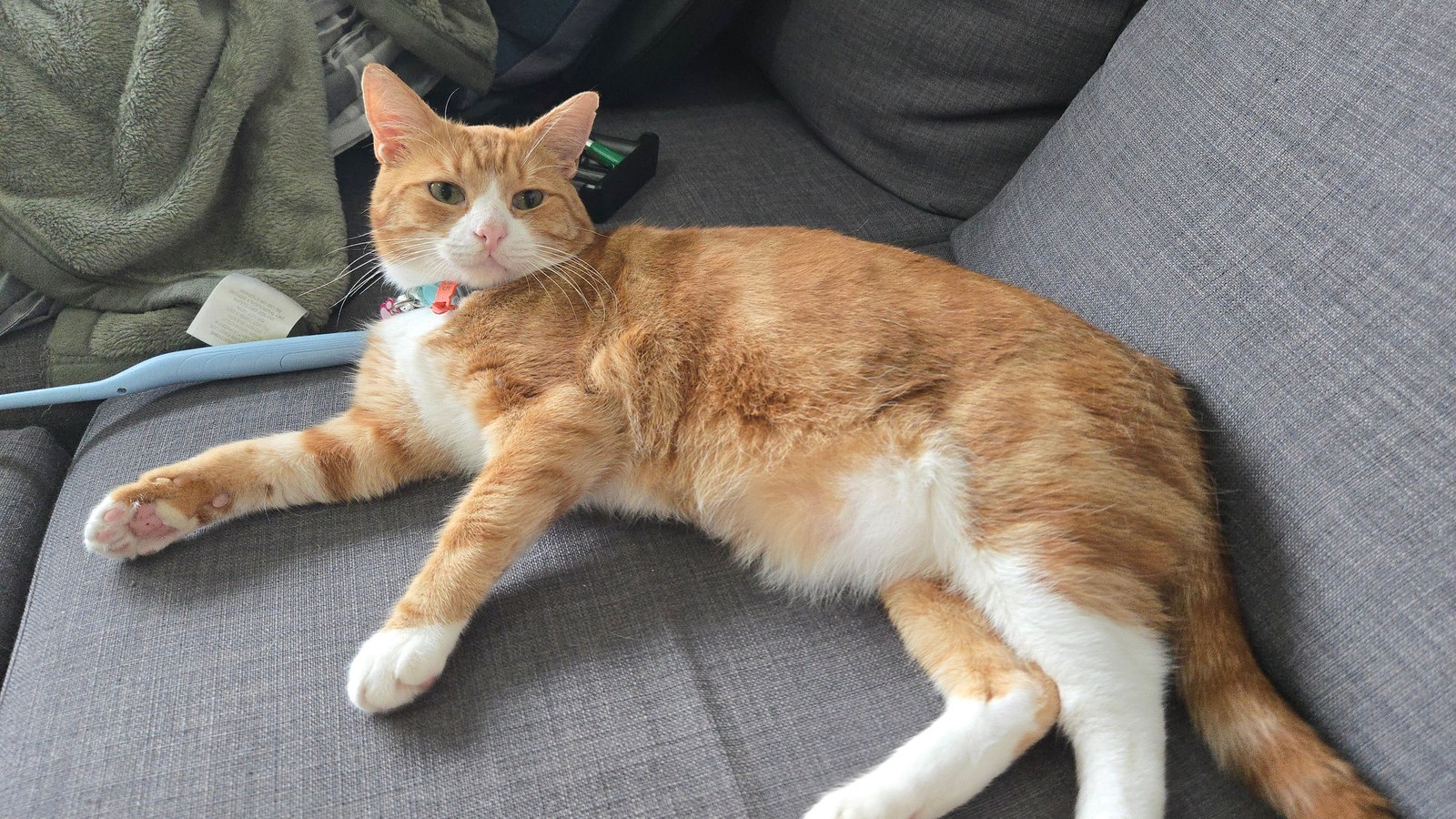
Archie is a gorgeous orange boy who came to see us in May of 2025 with chronic symptoms of cat flu – he was sneezing, had a lot of yucky nasal discharge and had several inflamed and infected teeth which were causing him a lot of discomfort. Over the next 6 months, he was back and forth to the clinic for multiple tests to try and work out the root cause of his problem.
As part of this workup, our vets started with a routine blood test to check his immune system markers for infection, severe inflammation or any organ changes that we should be concerned about. He had a few markers that pointed to severe infection and so our vets next step was to take a swab of his throat to see if he had a viral infection.
Viruses are a very common problem in cats and can cause a variety of very concerning symptoms – including eye ulcers, eye swelling and discharge, sneezing, infected nasal discharge, mouth ulcers/tissue swelling, loss of appetite and fever.
Archie came back positive to two viruses – one called Calicivirus and one called Mycoplasma. Both are spread by coming in contact with infected saliva, nasal discharge directly or from food bowls and toys. They both can be responsible for the symptoms that poor Archie was exhibiting.
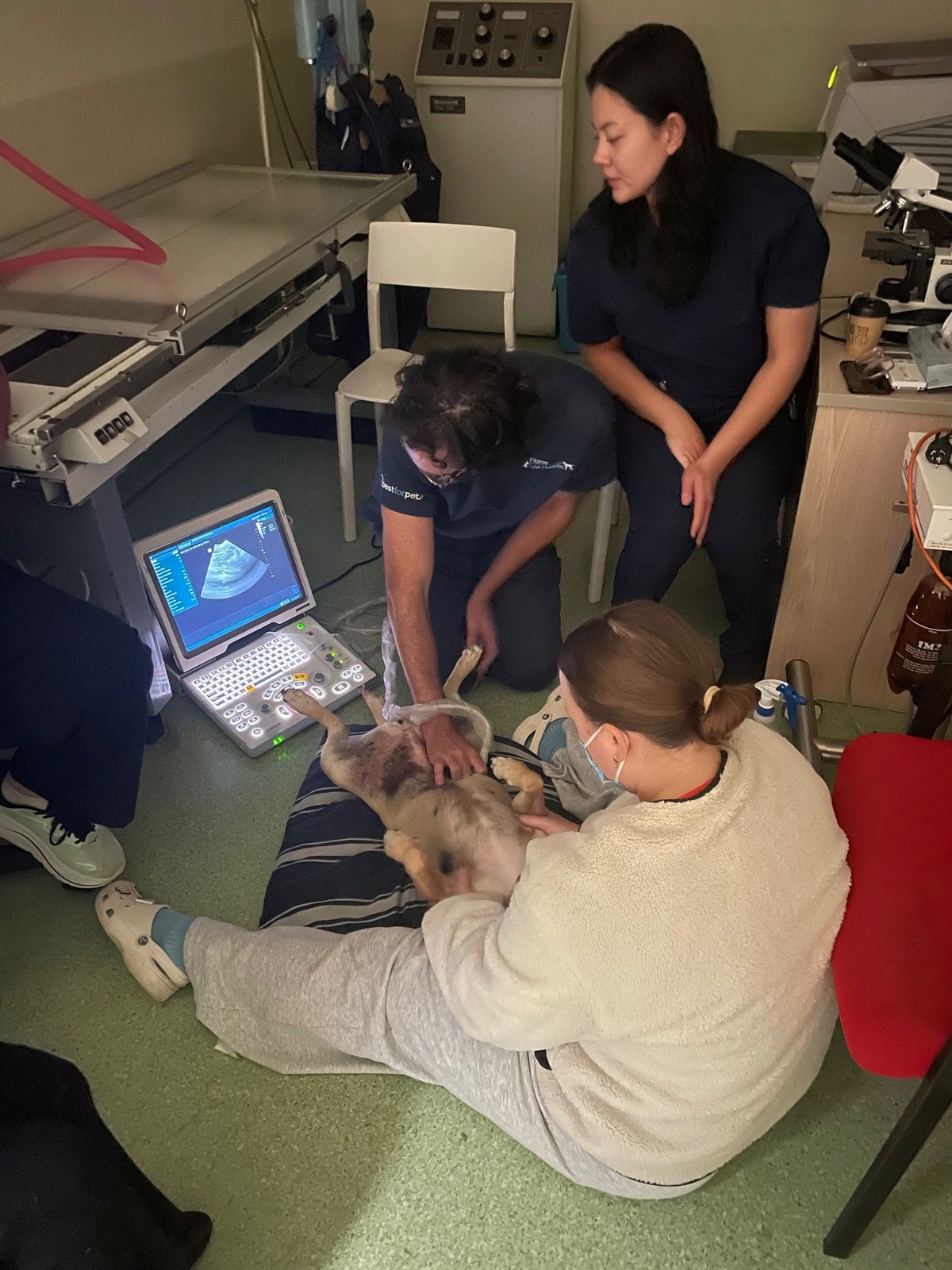
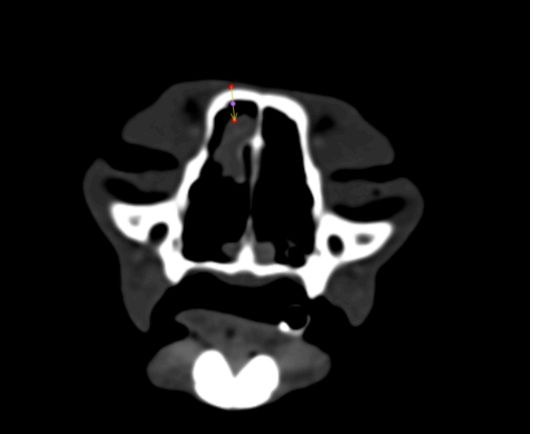
Due to the severity of his symptoms, Archie also had a CT scan to help rule out any concurrent destructive disease like a fungal infection or cancerous growth.
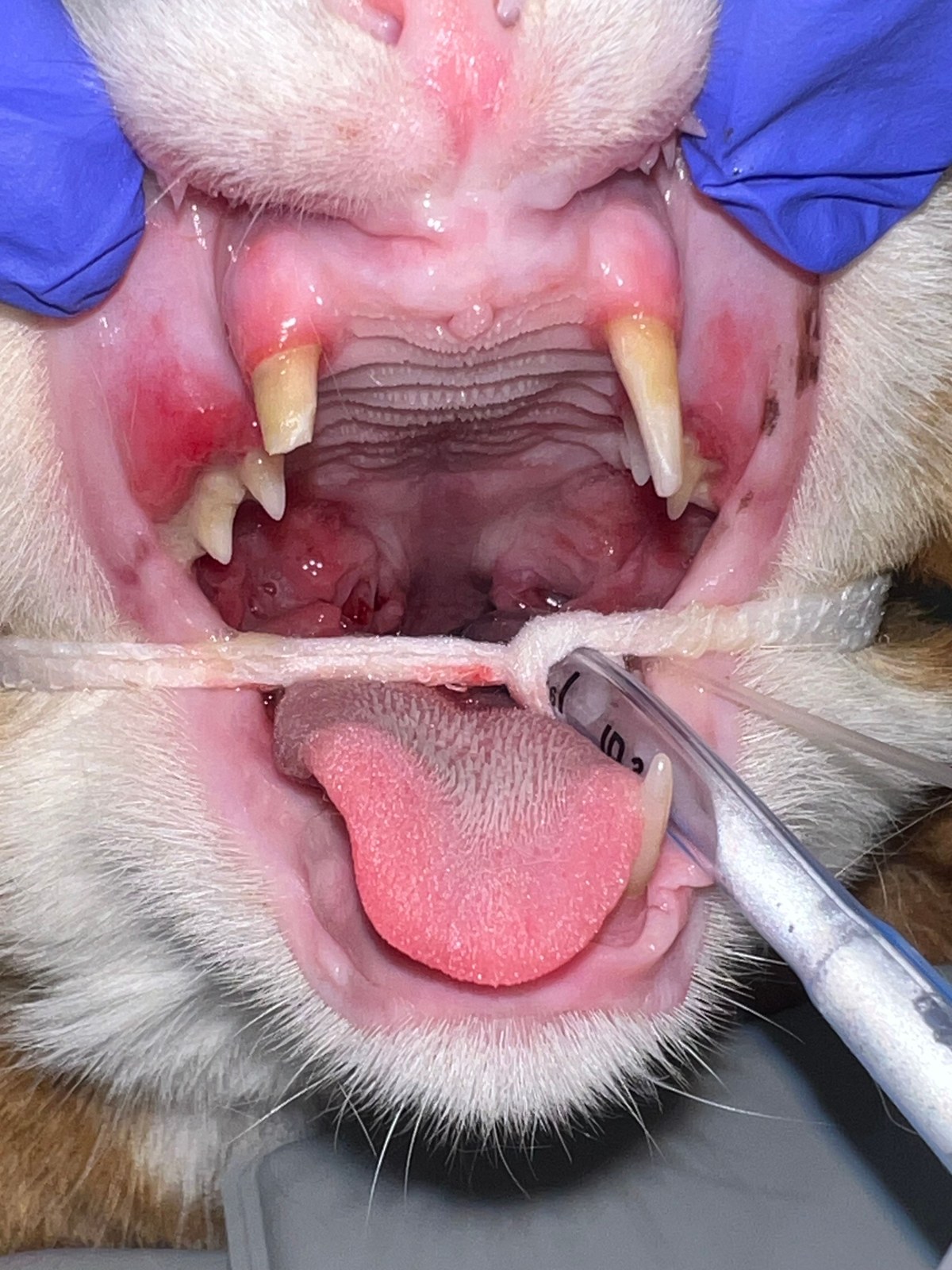
Archie was scheduled for a COHAT procedure – our vets put Archie under an anaesthetic, took xrays of his whole mouth and examined each individual tooth. He was found to have a large amount of very inflamed tissue at the back of the throat which the vet took a chunk of tissue from for biopsy to sent to the lab for analysis.
He came back with a result of “severe gingivostomatitis”. This is a painful condition where a cat's immune system overreacts to bacteria on the teeth, causing severe inflammation not just at the gumline but throughout the whole mouth. Traditionally, this would mean that a cat would need all of their teeth removed and still potentially have issues. Archie was a member of this category – he had multiple teeth removed but the angry tissue and pain remained.
However, Archie was then started on a very new medication which is a combination of an antibiotic, a specialised anti-viral and an anti-inflammatory as an all in one paste. Within 2 weeks, he had already started to look and feel much better! He was playing again, his breathing was improved, and his mouth was looking much less inflamed. Over the course of the next 3 weeks, he was weaned off this paste completely and has just had another recheck 5 months down the track – his mouth is still almost 95% inflammation free!
Such a good outcome for Archie and he has become a pilot case to start using this medication for other cats in the same boat.