It’s not unusual for pets to feel anxious at the V-E-T. As animal advocates and pet owners ourselves, no member of our team likes to see any pet feeling distressed or upset. Over the last two years, one of the main clinic focuses has been to fully adopt a fear-free approach to make vet visits less stressful for our patients and their owners. We are proud of the way that we practice and wanted to share some of the things we do to try and help keep your pet feeling as calm and cared for as possible.
In the waiting area and consult rooms:
- Keeping cats and dogs in separate areas of the waiting room
- If possible, putting cats or anxious dogs straight into their consult room to allow time for them to acclimatise in a quiet environment
- A dedicated cat only consult room – no dogs allowed! The room has a little box on the weighing scales which helps many cats to feel more safe.
- Using pheromone plug-ins in all consult rooms (feliway for cats, adaptil for dogs)
For examinations, blood tests and injections:
- Taking time to observe your pet’s behaviour and have positive interactions with your pet first (patting if tolerated, treats, etc)
- Using minimal and gentle restraint
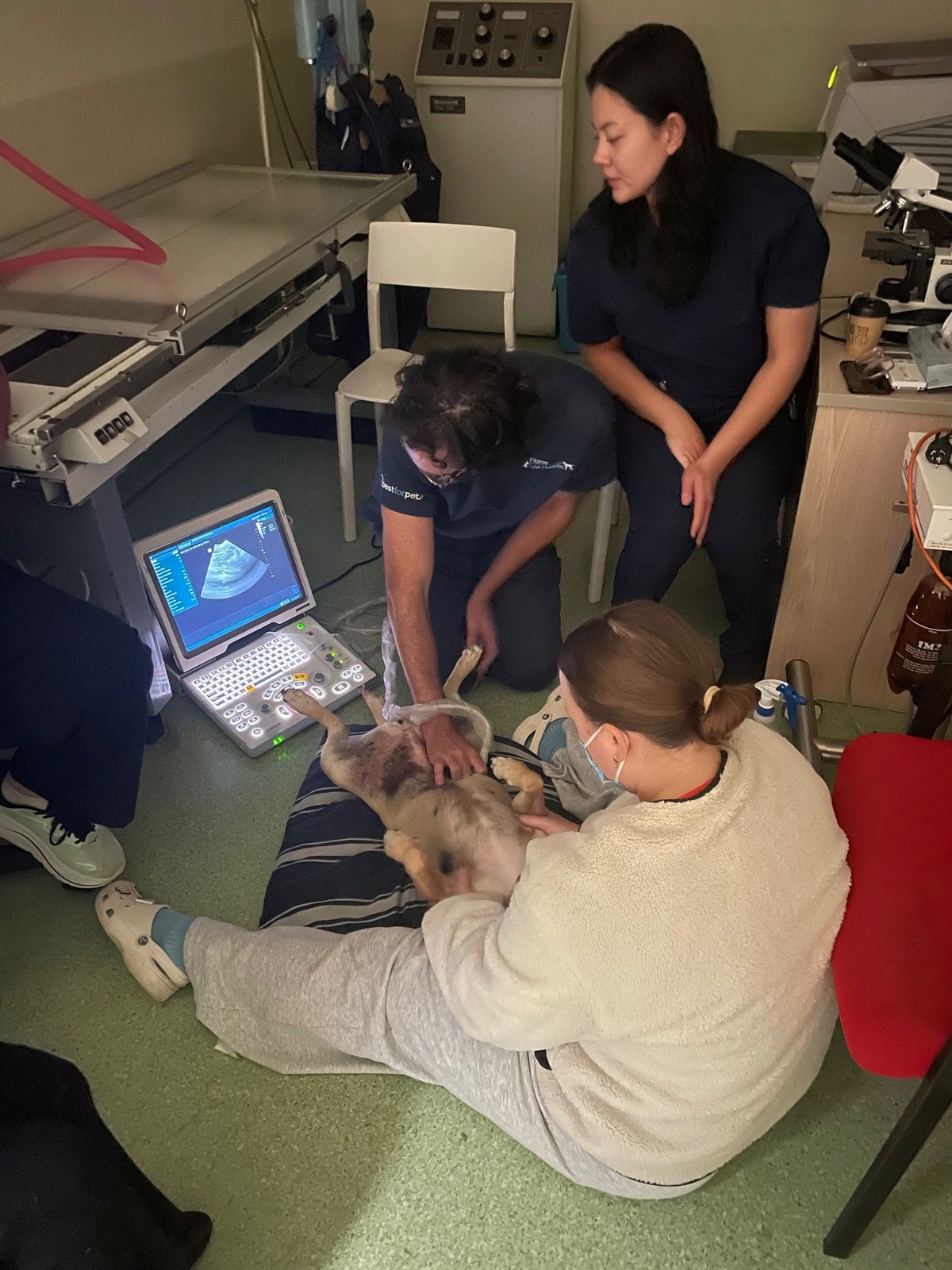
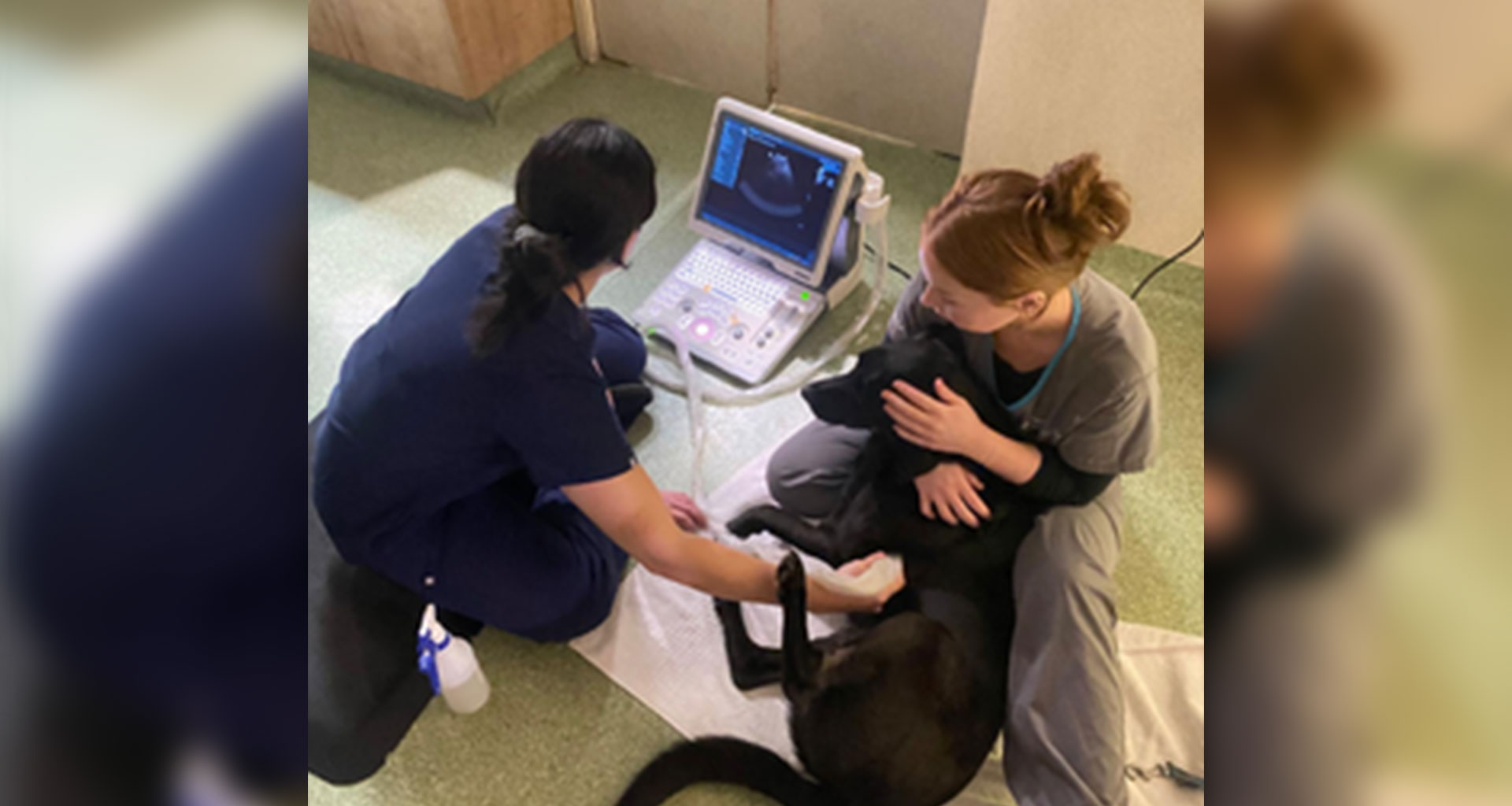
- Asking owners to hold the pet if they think that the pet would feel more comfortable and they are able. Asking nurses to hold the pet with techniques that they have been specifically trained to use for effective and gentle handling.
- Using lick mats or treats for dogs and Churu for cats as a tasty distraction
- Positive reinforcement only
For the more anxious souls:
- Friendly Visits: We are always encouraging of friendly visits for pets that are nervous about coming to the vet. We invite you to bring your pet for treats and pats to build memories of positive experiences in order to make their next visit less stressful.
- Patient Notes: We endeavor to mark these patient files with details of previous visits and tips and tricks that we have learnt that might make their next visit a little less stressful. Things like “OK with blood drawn from the back leg, gets anxious with front leg” or “prefers to go straight into a consult room”. That way we can build on previous experience and do the best for your pet next time.
- Anxiolytic medication and oral sedatives: We also advocate for use of anxiolytic medication for more nervous pets which can often be administered at home prior to the veterinary visit for either a consult or surgery. This is under prescription of the attending veterinarian. You can speak to the team if you think your pet may benefit from this.
We are dedicated to caring for pets with kindness and compassion. If you think there is anything that we could be doing better to help manage your pet’s stress at a vet visit, please talk to a member of the team.